Minimalist Living in 2025 – How Less Creates More Happiness
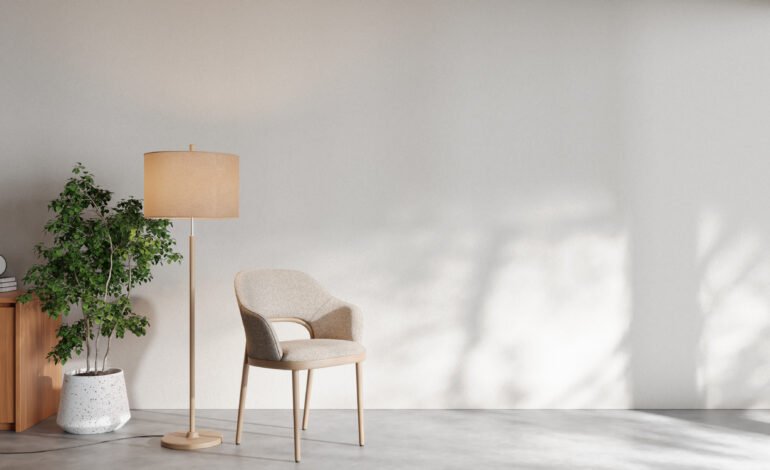
Discover how minimalist living in 2025 can reduce stress, save money, and create more joy. Learn practical tips to simplify your lifestyle.
Introduction
In today’s fast-paced, consumer-driven world, it’s easy to feel overwhelmed by clutter—both physical and mental. Shopping ads tempt us daily, homes fill with unused items, and schedules overflow with commitments. Yet, more people are realizing that having more doesn’t necessarily mean living better. This has led to a growing movement toward minimalist living.
Minimalism isn’t about depriving yourself. It’s about focusing on what truly matters—whether that’s relationships, experiences, or personal growth—by letting go of excess. In 2025, minimalism has evolved beyond design trends into a holistic lifestyle that promotes happiness, freedom, and sustainability.
What is Minimalist Living?
At its core, minimalist living means intentionally simplifying your life. It involves reducing unnecessary possessions, commitments, and distractions, so you can focus on the essentials.
Minimalism can show up in different ways:
- Decluttering your home to keep only what you need and love.
- Simplifying your schedule by saying no to draining commitments.
- Mindful spending—buying less but choosing quality over quantity.
- Digital minimalism—reducing screen time and online clutter.
Why Minimalism Matters in 2025
Several modern challenges make minimalism especially relevant today:
- Consumer Overload: With e-commerce booming, impulse buying has never been easier. Minimalism offers a way out of the endless “buy more” cycle.
- Environmental Concerns: Reducing consumption lowers waste and carbon footprints, aligning with global sustainability goals.
- Mental Health: Clutter contributes to stress and anxiety. A minimalist lifestyle fosters calm and focus.
- Financial Freedom: Spending less means saving more, reducing debt, and gaining long-term security.
Benefits of Minimalist Living
1. Less Stress, More Peace
Decluttered spaces create mental clarity. Studies show that messy environments increase cortisol, the stress hormone.
2. Financial Savings
Minimalists prioritize quality over quantity. This reduces impulse shopping and unnecessary expenses.
3. Time Freedom
With fewer possessions and commitments, you spend less time cleaning, organizing, or stressing over schedules.
4. Stronger Relationships
By focusing less on material possessions, minimalists invest more in experiences and meaningful connections.
5. Environmental Impact
Owning less means producing less waste, supporting sustainability efforts globally.
Practical Steps to Start Minimalist Living
Step 1: Declutter Your Space
- Start with one room, drawer, or closet.
- Use the “Does it spark joy?” method—keep only what you truly value.
- Donate, recycle, or sell unused items.
Step 2: Simplify Your Wardrobe
- Create a capsule wardrobe with versatile essentials.
- Choose neutral colors and timeless pieces.
- Shop less, invest in quality.
Step 3: Practice Mindful Spending
- Before buying, ask: Do I need this? Will I use it long-term?
- Focus on experiences over possessions.
- Track expenses to avoid wasteful habits.
Step 4: Streamline Your Schedule
- Say no to unnecessary obligations.
- Prioritize self-care, family, and meaningful activities.
- Block digital distractions by setting screen-free hours.
Step 5: Digital Minimalism
- Unsubscribe from spam emails and unnecessary apps.
- Organize files and keep devices clutter-free.
- Limit social media use to intentional time slots.
Minimalism Beyond Possessions
Minimalism isn’t just about physical clutter—it’s about mindset. In 2025, many embrace mental and emotional minimalism by:
- Practicing mindfulness and gratitude.
- Letting go of toxic relationships.
- Focusing on present-moment living instead of constant comparison.
This shift toward intentional living creates space for joy, growth, and authentic connection.
Common Myths About Minimalism
- “Minimalism means owning nothing.” False. It means owning only what adds value.
- “It’s boring and plain.” Minimalism is about intentional choices—it can be colorful and creative.
- “It’s only for the wealthy.” Minimalism saves money by reducing unnecessary purchases.
Conclusion
Minimalist living in 2025 is not about restriction—it’s about freedom. By decluttering, simplifying, and making mindful choices, you gain more space, time, and energy for what truly matters. In a world obsessed with more, minimalism reminds us that less can actually create more happiness.
So, whether you start by cleaning out a drawer, creating a capsule wardrobe, or reducing screen time, each small step toward minimalism leads to a calmer, richer, and more intentional life.