
Holistic Fitness – Combining Yoga, Strength Training, and Meditation for Balance
Introduction
Fitness has traditionally been seen through a narrow lens—either building muscle at the gym, running for endurance, or stretching for flexibility. But in 2025, the idea of holistic fitness is gaining momentum. Rather than focusing on just one aspect of health, holistic fitness integrates the body, mind, and spirit.
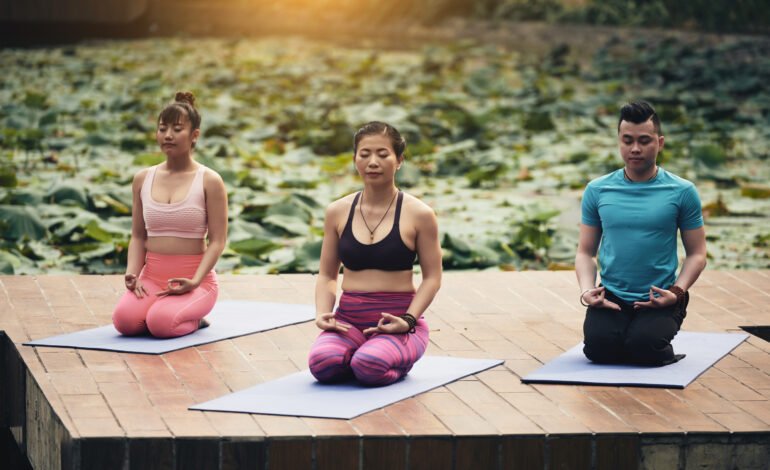
The combination of yoga, strength training, and meditation offers the perfect balance: physical strength, mental clarity, and emotional stability. This blog explores why blending these practices creates a well-rounded lifestyle and how you can build your own holistic routine.
What is Holistic Fitness?
Holistic fitness is about whole-body well-being. It doesn’t just measure progress in terms of weight loss or muscle gain—it considers:
- Strength and endurance for daily function.
- Flexibility and mobility for injury prevention.
- Mental resilience for handling stress.
- Emotional balance for overall happiness.
Instead of chasing short-term results, holistic fitness focuses on long-term health and harmony.
The Role of Yoga
Yoga has been practiced for thousands of years, and in 2025 it continues to be a cornerstone of holistic fitness.
Benefits of yoga:
- Increases flexibility and mobility.
- Improves posture and alignment.
- Reduces stress through breathwork (pranayama).
- Enhances body awareness and mindfulness.
Practical example: A 20-minute morning yoga flow can energize your day, while a gentle evening stretch can promote restful sleep.
The Role of Strength Training
Strength training is often seen as purely physical, but it’s essential for overall well-being.
Benefits of strength training:
- Builds muscle and bone density.
- Boosts metabolism, aiding weight management.
- Improves functional strength for everyday tasks.
- Supports longevity by preventing age-related muscle loss.
Practical example: Two to three sessions of weightlifting or bodyweight exercises per week provide strength without overwhelming the body.
The Role of Meditation
Meditation nurtures the mental and emotional aspects of fitness. It creates stillness in a noisy world.
Benefits of meditation:
- Reduces stress and anxiety.
- Improves focus and concentration.
- Enhances emotional regulation.
- Supports better sleep and recovery.
Practical example: Even 10 minutes of mindful meditation daily can calm the nervous system and increase resilience.
Why They Work Better Together
Each discipline offers unique benefits, but combined, they create synergy:
- Yoga + Strength Training: Flexibility meets power—preventing injuries and improving performance.
- Strength Training + Meditation: Builds discipline and self-control, enhancing mind-muscle connection.
- Yoga + Meditation: Promotes mindfulness, helping you listen to your body and avoid overtraining.
This trio supports not just the body, but also the mind and spirit, offering balance in a fast-paced world.
Building a Holistic Fitness Routine
A simple weekly schedule might look like this:
- Monday: Strength training (upper body focus) + 10 minutes meditation.
- Tuesday: Yoga flow (30–40 minutes).
- Wednesday: Strength training (lower body) + mindful breathing.
- Thursday: Restorative yoga + 15 minutes meditation.
- Friday: Full-body strength training.
- Saturday: Outdoor activity (walking, cycling, hiking).
- Sunday: Gentle yoga + long meditation.
This balance ensures you cover strength, flexibility, and mental wellness.
The Science Behind Holistic Fitness
Studies confirm the benefits of combining these practices:
- Yoga and flexibility reduce injury risk during strength training.
- Strength training improves bone health, complementing yoga’s mobility.
- Meditation lowers cortisol (stress hormone), improving muscle recovery and immune function.
Science shows that the body and mind thrive when challenged in multiple, balanced ways.
Common Mistakes to Avoid
- Overemphasis on one discipline: Strength without flexibility, or yoga without strength, leads to imbalance.
- Skipping rest: Holistic doesn’t mean overdoing—it requires balance and recovery.
- Neglecting mental health: Fitness is not just physical; meditation is essential.
- Unrealistic routines: Start small and build consistency over time.
Why Holistic Fitness Fits 2025
With rising stress, sedentary lifestyles, and tech-driven distractions, people are seeking integrated solutions. Holistic fitness resonates because it:
- Supports both physical health and mental well-being.
- Encourages sustainability rather than quick fixes.
- Fits into busy schedules with adaptable routines.
It’s no longer about “working out”—it’s about living well.
Conclusion
Holistic fitness isn’t a trend—it’s a lifestyle philosophy. By combining yoga, strength training, and meditation, you create a routine that supports flexibility, strength, and inner peace. This balanced approach ensures you’re not just fit but also resilient, mindful, and fulfilled.
In 2025, true fitness means more than a toned body—it means harmony between body, mind, and spirit. So whether you’re lifting weights, flowing through yoga poses, or sitting quietly in meditation, remember: fitness is not about extremes, it’s about balance.